Monday, February 9, 2026

How to make effective powerpoint presentations


How to Make an Effective PowerPoint Presentation (Detailed Guide)

An effective PowerPoint presentation is clear, visually appealing, well-organized, and engaging for the audience. It should support your speech, not replace it. The following guide explains each step in detail.


1. Plan Before Creating Slides

Before opening PowerPoint, prepare the content.

Steps:

  1. Define your objective – What should the audience learn or understand?

  2. Know your audience – Students, professionals, or general public.

  3. Outline key points – Introduction, main ideas, conclusion.

  4. Limit content – Focus on essential points only.

Tip: Write the main headings first, then create slides based on them.


2. Structure of an Effective Presentation

A good presentation usually follows this format:

  1. Title Slide

    • Topic name

    • Presenter name

    • Date / Institution

  2. Introduction

    • Background of the topic

    • Purpose of presentation

  3. Main Content

    • Divide into clear sections

    • Use headings and subpoints

  4. Conclusion

    • Summary of key points

    • Final message

  5. References / Acknowledgement (if needed)


3. Design Principles for Slides

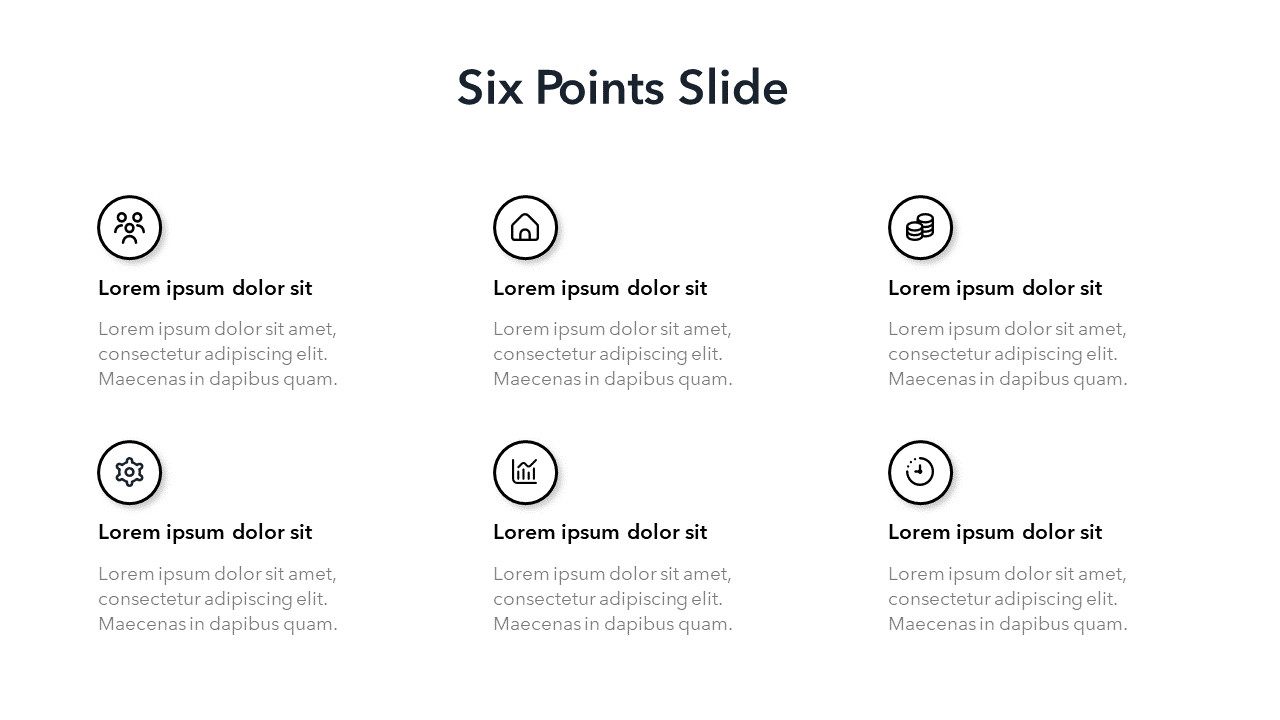
Image

Image

Image

Image

Important design rules:

a) Keep Slides Simple

  • Use 6–8 lines per slide

  • Avoid long paragraphs

  • Use bullet points

b) Font and Text

  • Use clear fonts (Arial, Calibri, Times New Roman)

  • Title: 32–40 pt

  • Content: 20–28 pt

  • Avoid too many font styles

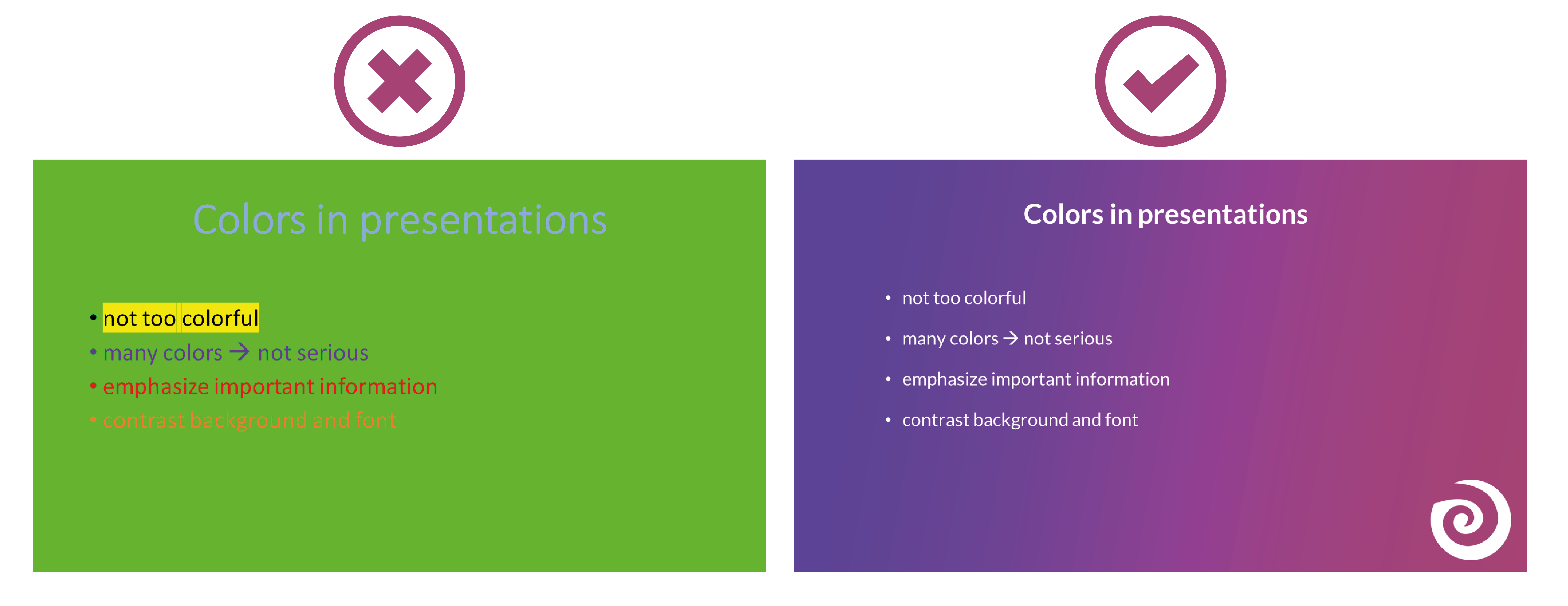
c) Color and Contrast

  • Dark text on light background or vice versa

  • Avoid bright or clashing colors

d) Consistency

  • Use the same theme, font, and layout throughout


4. Use Visuals Effectively

Image

Image

Image

Image

Visuals help understanding and keep the audience engaged.

Use:

  • Images

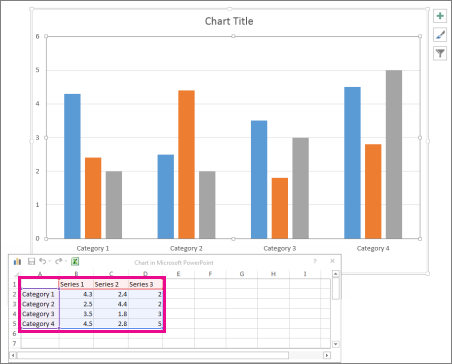
  • Charts and graphs

  • Diagrams

  • Icons

Avoid:

  • Overcrowded slides

  • Unrelated images

Tip: One strong image is better than many small ones.


5. Writing Effective Content

Good slide content should be:

  • Short

  • Clear

  • Meaningful

Example:

Instead of:

“Photosynthesis is the process by which green plants prepare food in the presence of sunlight using chlorophyll, water, and carbon dioxide.”

Write:

  • Photosynthesis

  • Occurs in green plants

  • Requires sunlight, water, CO₂

  • Produces glucose and oxygen


6. Use Animations and Transitions Carefully

  • Use simple animations (Fade, Appear)

  • Avoid excessive effects

  • Do not distract the audience

Rule: Animations should support, not entertain excessively.


7. Presentation Delivery Skills

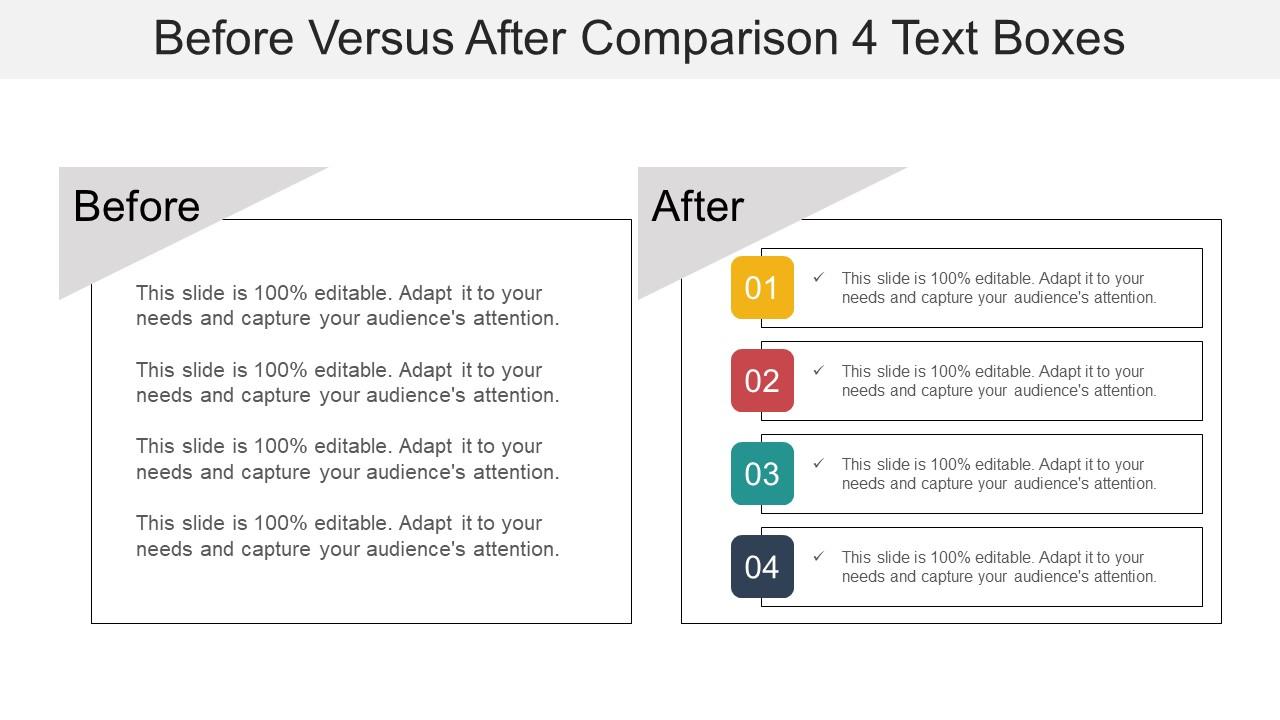
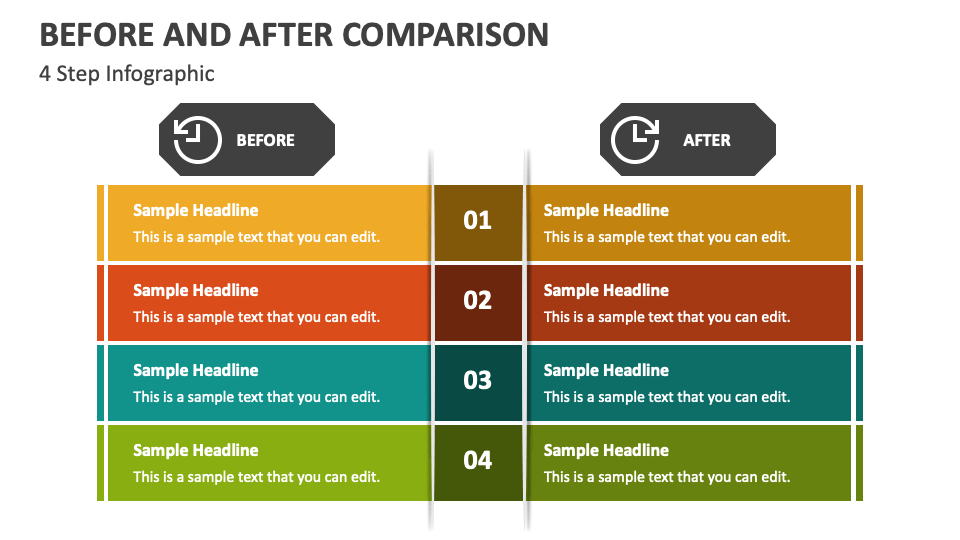
Image

Image

Image

Image

Even a good slide deck needs good delivery.

Tips:

  • Maintain eye contact

  • Speak clearly and slowly

  • Do not read directly from slides

  • Use gestures naturally

  • Practice before presenting


8. Time Management

  • Allocate time for each section

  • Avoid too many slides

  • Rough guide: 1 slide = 1 minute


9. Common Mistakes to Avoid

  • Too much text

  • Small fonts

  • Poor color contrast

  • Overuse of animations

  • Reading slides word-for-word


10. Final Checklist Before Presenting

✔ Spelling and grammar checked
✔ Slides readable from distance
✔ Images clear and relevant
✔ Slides arranged logically
✔ Presentation practiced


Short Formula for an Effective Presentation

Clear Content + Simple Design + Good Visuals + Confident Delivery = Effective Presentation


If you want, I can also give a ready-made template structure for a seminar or chemistry presentation (useful for college presentations).

Thursday, April 3, 2025

Format for research proposal for a funding agency


DETAILED FORMAT FOR A CHEMISTRY RESEARCH PROPOSAL FOR A FUNDING AGENCY

A well-structured research proposal is crucial for securing funding. Below is a detailed format commonly accepted by funding agencies such as the NSF, NIH, ACS, or national funding bodies. Be sure to check specific agency guidelines as requirements may vary.


1. Cover Page

  • Title of the Project – Should be concise, descriptive, and specific.

  • Principal Investigator (PI) Name & Affiliation – Include department, university/institution, and contact details.

  • Co-Principal Investigators (if applicable) – Name, affiliation, and roles in the project.

  • Funding Agency Name & Program – Specify the funding agency and grant category.

  • Submission Date


2. Abstract (Executive Summary) – 250-300 words

A brief but compelling overview of:

  • The research problem and its significance.

  • Objectives and hypotheses.

  • Methodology and key techniques.

  • Expected results and broader impacts.


3. Introduction & Background

3.1 Problem Statement

  • Clearly define the research problem.

  • Explain why it is significant to the field of chemistry.

3.2 Literature Review

  • Summarize previous research on the topic.

  • Identify existing knowledge gaps.

  • Justify the need for your research based on prior work.

3.3 Objectives and Hypothesis

  • Clearly list the research objectives.

  • State the hypothesis (if applicable).


4. Research Methodology & Experimental Design

4.1 Research Approach

  • Explain the overall approach (theoretical, experimental, computational, etc.).

4.2 Materials & Chemicals

  • List key reagents, chemicals, and materials.

  • Mention suppliers if specific purity is required.

4.3 Instrumentation & Techniques

  • Describe analytical, synthetic, and computational techniques to be used (e.g., NMR, XRD, UV-Vis, GC-MS, HPLC, DFT calculations, etc.).

  • Justify the choice of each technique.

4.4 Experimental Design & Procedures

  • Provide step-by-step details of the experimental work.

  • Describe control experiments, replications, and variables considered.

  • Explain any novel methodologies or modifications.

4.5 Data Collection & Analysis

  • Statistical methods and software used for data analysis (e.g., MATLAB, Origin, ChemDraw, Gaussian, etc.).

  • Describe how data reliability and reproducibility will be ensured.

4.6 Safety & Environmental Considerations

  • Highlight lab safety protocols (e.g., handling hazardous chemicals, disposal procedures).

  • Mention ethical considerations (if applicable).


5. Expected Outcomes & Impact

  • Anticipated results and their interpretation.

  • How findings will advance chemical sciences.

  • Potential industrial, environmental, or medical applications.


6. Work Plan & Timeline (Gantt Chart Preferred)

  • Outline key project milestones and timelines (e.g., Year 1: Synthesis & Characterization; Year 2: Data Analysis; Year 3: Publication & Reporting).

  • A Gantt chart is highly recommended for clarity.


7. Budget & Justification

  • Provide a detailed budget breakdown, including:

    • Equipment & Supplies (Chemicals, glassware, computational resources)

    • Personnel Costs (Salaries, graduate/postdoc stipends)

    • Travel & Conferences (Presentation at international/national meetings)

    • Publication Costs (Open-access fees, patents)

    • Miscellaneous (Software licenses, training, etc.)

  • Justify each expense and explain why it is necessary.


8. Dissemination & Knowledge Transfer

  • Plans for publishing results in peer-reviewed journals (e.g., ACS, RSC, Elsevier, Wiley).

  • Presenting findings at conferences.

  • Potential for patents or industry collaboration.


9. References (Citing in Standard Format - ACS, APA, or IEEE)

  • List all cited literature.

  • Use citation software like EndNote, Mendeley, or Zotero for formatting.


10. Appendices (If Required)

  • CVs of PI & Co-PIs.

  • Letters of Collaboration (from industry partners, other universities, etc.).

  • Ethical Approvals (if dealing with hazardous materials or biological samples).

  • Additional supporting documents (preliminary data, figures, etc.).


Final Notes:

  • Keep the proposal clear, concise, and well-structured.

  • Follow the specific guidelines of the funding agency (word limits, formatting rules, font size, etc.).

  • Emphasize the novelty, feasibility, and impact of your research.

Would you like help drafting a proposal based on your research topic?

Monday, February 10, 2025

What are the types of Research Paper


Types of Research Papers

Research papers come in different types, depending on their purpose, methodology, and field of study. Below are the major types of research papers:


1. Analytical Research Paper

  • The author evaluates and analyzes different viewpoints on a topic without taking a personal stance.
  • Based on critical thinking and interpretation of existing data or literature.
  • Example: "The Impact of Climate Change on Global Agriculture: A Comparative Analysis."

2. Argumentative (Persuasive) Research Paper

  • The author takes a position on an issue and supports it with evidence.
  • Aims to persuade readers through logical reasoning and factual data.
  • Example: "Why Artificial Intelligence Should be Regulated in Healthcare."

3. Experimental Research Paper

  • Involves original research with experiments, data collection, and analysis.
  • Follows the scientific method (hypothesis, methods, results, discussion).
  • Example: "The Effect of Sleep Deprivation on Cognitive Performance in College Students."

4. Survey Research Paper

  • Based on surveys, questionnaires, or polls to gather data from a specific population.
  • Often used in social sciences, business, and marketing research.
  • Example: "Consumer Preferences for Organic vs. Non-Organic Foods in Urban Areas."

5. Review Paper (Literature Review)

  • Summarizes and synthesizes existing research on a topic.
  • Does not present new experimental data but offers critical insights.
  • Example: "A Systematic Review of Machine Learning Applications in Medical Diagnosis."

6. Case Study Research Paper

  • Focuses on a specific case, such as an event, individual, organization, or phenomenon.
  • Often used in business, psychology, and medicine.
  • Example: "Case Study: The Rise and Fall of Nokia in the Mobile Industry."

7. Theoretical Research Paper

  • Develops new theories or critiques existing ones.
  • Often seen in philosophy, mathematics, and social sciences.
  • Example: "Exploring Game Theory in Economic Decision-Making."

8. Meta-Analysis Research Paper

  • Combines results from multiple studies to identify patterns and trends.
  • Used in medical, psychological, and social science research.
  • Example: "Meta-Analysis of the Effectiveness of Online Learning vs. Traditional Classrooms."

9. White Paper

  • A detailed report or guide that informs readers about an issue.
  • Common in business, technology, and policy-making.
  • Example: "The Future of Blockchain in Financial Transactions."

10. Technical Research Paper

  • Presents technical or engineering innovations, designs, or methods.
  • Often includes complex equations, figures, and blueprints.
  • Example: "A Novel Algorithm for Real-Time Image Processing in Autonomous Vehicles."

11. Interdisciplinary Research Paper

  • Combines knowledge from multiple disciplines to explore complex issues.
  • Example: "The Intersection of Psychology and Artificial Intelligence in Human-Computer Interaction."

12. Position Paper

  • Presents an opinion backed by research on a controversial issue.
  • Common in policy-making, law, and ethics.
  • Example: "Why Net Neutrality Should Be Protected."

Conclusion

Each type of research paper serves a specific purpose and follows a unique structure. The choice of paper type depends on the research objective, field, and methodology.

Would you like guidance on structuring a specific type of research paper? 😊

Carbonic Anhydrase


Carbonic Anhydrase (CA)

Carbonic anhydrase is a zinc-containing enzyme that catalyzes the reversible conversion of carbon dioxide (CO₂) and water (H₂O) into carbonic acid (H₂CO₃), which then dissociates into bicarbonate (HCO₃⁻) and a proton (H⁺). This reaction is crucial for maintaining acid-base balance and gas exchange in living organisms.


Reaction Catalyzed

CO2+H2OH2CO3HCO3+H+\text{CO}_2 + \text{H}_2\text{O} \leftrightarrow \text{H}_2\text{CO}_3 \leftrightarrow \text{HCO}_3^- + \text{H}^+

This reaction occurs spontaneously but is dramatically accelerated (by over a million times) by carbonic anhydrase.


Types of Carbonic Anhydrase

Carbonic anhydrase is found in different organisms, categorized into several isozymes based on structure and function:

1. α-Carbonic Anhydrases

  • Found in mammals, birds, and some bacteria.
  • Zinc-containing metalloenzymes.
  • Examples:
    • CA I & CA II – Found in red blood cells, involved in respiration.
    • CA IV – Present in the kidneys, lungs, and eyes.
    • CA IX & CA XII – Involved in cancer cell metabolism.

2. β-Carbonic Anhydrases

  • Found in bacteria, algae, and plants.
  • Important for photosynthesis and CO₂ fixation.

3. γ-Carbonic Anhydrases

  • Found in archaea and some bacteria.
  • Evolutionarily distinct but functionally similar.

4. δ- & ζ-Carbonic Anhydrases

  • Found in marine organisms such as diatoms.
  • Help in carbon dioxide utilization in aquatic environments.

Functions of Carbonic Anhydrase

  1. Respiration & CO₂ Transport

    • Facilitates CO₂ transport in blood and lungs.
    • Converts CO₂ to bicarbonate for efficient excretion.
  2. pH Regulation & Acid-Base Homeostasis

    • Helps maintain blood pH.
    • Involved in the buffering system of the body.
  3. Urine Formation & Kidney Function

    • Regulates acid-base balance in renal tubules.
  4. Eye Physiology

    • Controls aqueous humor production in the ciliary body of the eye.
  5. Gastric Acid Secretion

    • Aids in hydrochloric acid (HCl) secretion in the stomach.
  6. Bone Resorption

    • Plays a role in osteoclast activity (bone breakdown).

Medical and Pharmaceutical Importance

  • Carbonic Anhydrase Inhibitors (CAIs) are used to treat:
    • Glaucoma (reduces eye pressure, e.g., acetazolamide).
    • Altitude Sickness (helps prevent acidosis).
    • Epilepsy (used as adjunctive therapy).
    • Diuretics (increase urine production).
    • Cancer therapy (CA IX is a target in tumor treatment).

Conclusion

Carbonic anhydrase is an essential enzyme for CO₂ transport, acid-base balance, and various physiological functions. Its inhibitors are widely used in medicine, particularly in treating glaucoma, epilepsy, and altitude sickness.

Would you like details on specific inhibitors or clinical applications? 😊

Carboxy Peptidase

 Carboxypeptidase refers to a group of enzymes that hydrolyze (break down) peptide bonds at the carboxyl-terminal (C-terminal) end of proteins and peptides, releasing amino acids. These enzymes play a crucial role in protein digestion, post-translational modification, and various physiological processes.

Types of Carboxypeptidases

Carboxypeptidases are broadly classified into two major categories based on their catalytic mechanism:

1. Metallo-Carboxypeptidases

  • Require a metal ion (usually zinc, Zn²⁺) for catalytic activity.
  • Found in digestive enzymes and regulatory proteins.
  • Examples:
    • Carboxypeptidase A (CPA) – Cleaves hydrophobic (non-polar) amino acids.
    • Carboxypeptidase B (CPB) – Cleaves basic amino acids (arginine, lysine).
    • Carboxypeptidase E (CPE) – Involved in neuropeptide and hormone processing.

2. Serine or Cysteine Carboxypeptidases

  • Use an active-site serine or cysteine residue instead of a metal ion.
  • Found in lysosomes and involved in protein degradation.
  • Examples:
    • Carboxypeptidase Y – Found in yeast, involved in protein processing.
    • Cathepsin A – Involved in lysosomal protein degradation.

Functions of Carboxypeptidases

  • Protein digestion (e.g., pancreatic carboxypeptidases in the intestine).
  • Regulation of bioactive peptides (e.g., neuropeptide processing).
  • Wound healing and blood clotting (e.g., thrombin-activating carboxypeptidases).
  • Post-translational modification (e.g., enzyme activation in the Golgi apparatus).

Medical and Biotechnological Importance

  • Diagnostic markers for pancreatic and metabolic disorders.
  • Therapeutic targets in diseases like hypertension and cancer.
  • Enzyme inhibitors (e.g., carboxypeptidase inhibitors) are used in drug design.

Would you like details on a specific type of carboxypeptidase?

Sunday, January 26, 2025

How to write a Research Report

 Writing a research report

Writing a research report involves several steps to organize your findings, communicate your analysis, and present conclusions clearly. Below is a detailed guide to help you create an effective research report:


---


### *1. Understand the Purpose of the Report*

- *Identify the objective:* Why are you writing the report? Is it to analyze, describe, or explore a topic?

- *Know your audience:* Tailor the content, tone, and level of detail to meet their expectations.


---


### *2. Structure of a Research Report*

Most research reports follow a standard format. Here’s an outline:


#### *a. Title Page*

- Includes the title of the report, your name, institutional affiliation, date, and other relevant details.

- The title should be concise yet descriptive.


#### *b. Abstract*

- A brief summary (150–300 words) of the research.

- Covers the purpose, methodology, key findings, and conclusions.

- Written last but placed at the beginning.


#### *c. Table of Contents*

- Lists all sections and subsections with page numbers.

- Provides an overview of the structure.


#### *d. Introduction*

- *Background:* Provide context and relevance of the study.

- *Research Problem/Question:* Clearly state what you’re investigating.

- *Objectives:* Define the goals of your study.

- *Significance:* Explain why the research matters.

- *Hypothesis (if applicable):* State any testable assumptions.


#### *e. Literature Review*

- Summarize existing research related to your topic.

- Highlight gaps in the current knowledge that your study addresses.

- Provide a theoretical framework or models, if applicable.


#### *f. Methodology*

- *Research Design:* Explain whether your study is qualitative, quantitative, or mixed-methods.

- *Data Collection:* Describe tools, techniques, and sources (e.g., surveys, experiments, interviews).

- *Sample:* Specify the size, selection criteria, and demographics.

- *Procedure:* Explain the steps taken to conduct the research.

- *Data Analysis:* Describe statistical tools or qualitative techniques used.


#### *g. Results*

- Present your findings objectively.

- Use tables, charts, and graphs for clarity.

- Avoid interpreting the data here—focus on what the data shows.


#### *h. Discussion*

- Interpret the results in relation to the research question.

- Compare your findings with existing literature.

- Discuss implications, limitations, and unexpected outcomes.


#### *i. Conclusion*

- Summarize the key points of the report.

- State the broader implications and recommendations.

- Avoid introducing new data.


#### *j. References*

- Cite all sources using a standard style (e.g., APA, MLA, Chicago).

- Include all books, articles, reports, and data sources used.


#### *k. Appendices (Optional)*

- Include supplementary materials like raw data, questionnaires, or detailed calculations.


---


### *3. Steps to Write a Research Report*

#### *Step 1: Plan and Prepare*

- Define your research scope and objectives.

- Gather all data and materials required for analysis.

- Create an outline to organize your ideas.


#### *Step 2: Write Each Section*

- Start with sections you find easiest, such as the methodology or results.

- Use clear, concise language and avoid jargon.

- Ensure logical flow between sections.


#### *Step 3: Use Visual Aids*

- Add charts, graphs, and tables to illustrate key points.

- Label and caption all visuals appropriately.


#### *Step 4: Revise and Edit*

- Check for consistency in tone and formatting.

- Ensure all claims are backed by evidence.

- Proofread for grammar, spelling, and punctuation errors.


#### *Step 5: Format and Finalize*

- Follow the prescribed style guide for citations and formatting.

- Ensure the report adheres to any word count or submission requirements.


---


### *4. Tips for Writing an Effective Research Report*

- *Be Objective:* Focus on facts and avoid personal opinions unless relevant to the study.

- *Stay Organized:* Use headings and subheadings for clarity.

- *Use Active Voice:* Active constructions make the report more engaging.

- *Stay Ethical:* Give credit to all sources and avoid plagiarism.


By following this structured approach, you can create a comprehensive and impactful research report.

Siderophores

 *Selective Transport and Storage of Siderophores*


*Siderophores* are small, high-affinity iron-chelating molecules secreted by microorganisms such as bacteria, fungi, and some plants. Their primary function is to *selectively bind ferric iron (Fe³⁺)* and facilitate its transport and storage in environments where iron is scarce, enabling microorganisms to thrive under iron-limited conditions.


---


### *Selective Transport of Siderophores*:


1. *Siderophore Synthesis*:

   - Microorganisms produce siderophores in response to low iron availability.

   - Siderophores are chemically tailored for high specificity and affinity to Fe³⁺ ions (binding constants \( K_b \) often >10³⁰ M⁻¹).


2. *Iron Chelation*:

   - Siderophores bind Fe³⁺ selectively, forming stable iron-siderophore complexes.

   - Examples of siderophores and their ligands:

     - *Catecholates*: Use catechol groups to chelate iron (e.g., enterobactin).

     - *Hydroxamates*: Use hydroxamic acid groups (e.g., ferrichrome).

     - *Carboxylates*: Use carboxyl groups (e.g., rhizobactin).


3. *Selective Transport into Cells*:

   - The Fe³⁺-siderophore complex is recognized by *specific receptors* on the microbial cell surface.

   - Transport is facilitated by ATP-binding cassette (ABC) transporters or TonB-dependent transport systems:

     - *Outer Membrane Receptors* (Gram-negative bacteria): Bind the complex and initiate active transport.

     - *Periplasmic Binding Proteins*: Guide the complex to inner membrane transporters.

   - The process requires energy, often derived from the proton motive force or ATP hydrolysis.


4. *Iron Uptake*:

   - Once inside the cell, Fe³⁺ is released from the siderophore by:

     - Reduction of Fe³⁺ to Fe²⁺ (via ferric reductases).

     - Hydrolysis of the siderophore-iron complex.


---


### *Storage of Siderophores and Iron*:


1. *Intracellular Iron Storage*:

   - Iron released from siderophores is stored in iron-binding proteins such as *ferritin* or *bacterioferritin*.

   - This ensures a non-toxic and bioavailable iron reserve for cellular processes.


2. *Recycling of Siderophores*:

   - After releasing Fe³⁺, many siderophores are recycled and reused to conserve resources.

   - Example: *Enterobactin* is recycled by specific hydrolases that cleave its ester bonds, enabling reuse.


3. *Storage of Siderophores*:

   - Some microorganisms store siderophores intracellularly as reserves for future use in iron acquisition.

   - Intracellular siderophore storage is tightly regulated to avoid energy wastage.


---


### *Selectivity Mechanisms*:


1. *High Affinity for Fe³⁺*:

   - Siderophores bind Fe³⁺ with extraordinary selectivity over Fe²⁺ and other metal ions (e.g., Mg²⁺, Ca²⁺).

   - The ligand geometry and charge complement Fe³⁺'s size and oxidation state.


2. *Specific Transport Systems*:

   - Cell surface receptors are highly specific for their cognate siderophore-iron complex, ensuring selective uptake.


3. *Regulation of Siderophore Production*:

   - Siderophore synthesis is regulated by intracellular iron levels through mechanisms such as the *Fur (Ferric uptake regulator)* protein:

     - *High iron levels*: Repress siderophore production.

     - *Low iron levels*: Induce siderophore production.


---


### *Examples of Siderophores*:


1. *Enterobactin* (Catecholate):

   - Found in *E. coli* and related bacteria.

   - High affinity for Fe³⁺ due to its catechol groups.


2. *Ferrichrome* (Hydroxamate):

   - Produced by fungi.

   - Utilizes hydroxamic acid groups to chelate Fe³⁺.


3. *Pyoverdine* (Mixed Ligand):

   - Produced by *Pseudomonas* species.

   - Contains both catechol and hydroxamate functional groups.


4. *Rhizobactin* (Carboxylate):

   - Produced by rhizobia (nitrogen-fixing bacteria).

   - Uses carboxyl groups to bind iron.


---


### *Applications in Medicine and Biotechnology*:

1. *Antibiotics*:

   - Siderophore-antibiotic conjugates exploit iron transport systems to deliver drugs (e.g., *sideromycin*).


2. *Iron Detection*:

   - Siderophores are used as sensors for detecting trace iron levels in the environment.


3. *Plant Growth Promotion*:

   - Siderophores produced by beneficial microbes help plants acquire iron, enhancing growth in iron-deficient soils.


---


### *Conclusion*:

Siderophores exhibit exceptional selectivity and efficiency in transporting and storing iron, crucial for microorganisms to thrive in iron-limited environments. Their high-affinity binding, specific transport systems, and regulated synthesis make them essential tools for microbial survival and competitive advantage.